What Every Paddler Should Know About The Richmond Draw-Off
Who pulled the plug on the Thames? I paddle in Richmond all year, yet the annual draw-off still makes me do a double-take. The river almost empties out – the water level drops at low water, the riverbed is exposed and the stretches along Richmond, Twickenham and Teddington look naked, unfamiliar. Here is what’s going on and what to expect:
Richmond lock & weir – most of the year
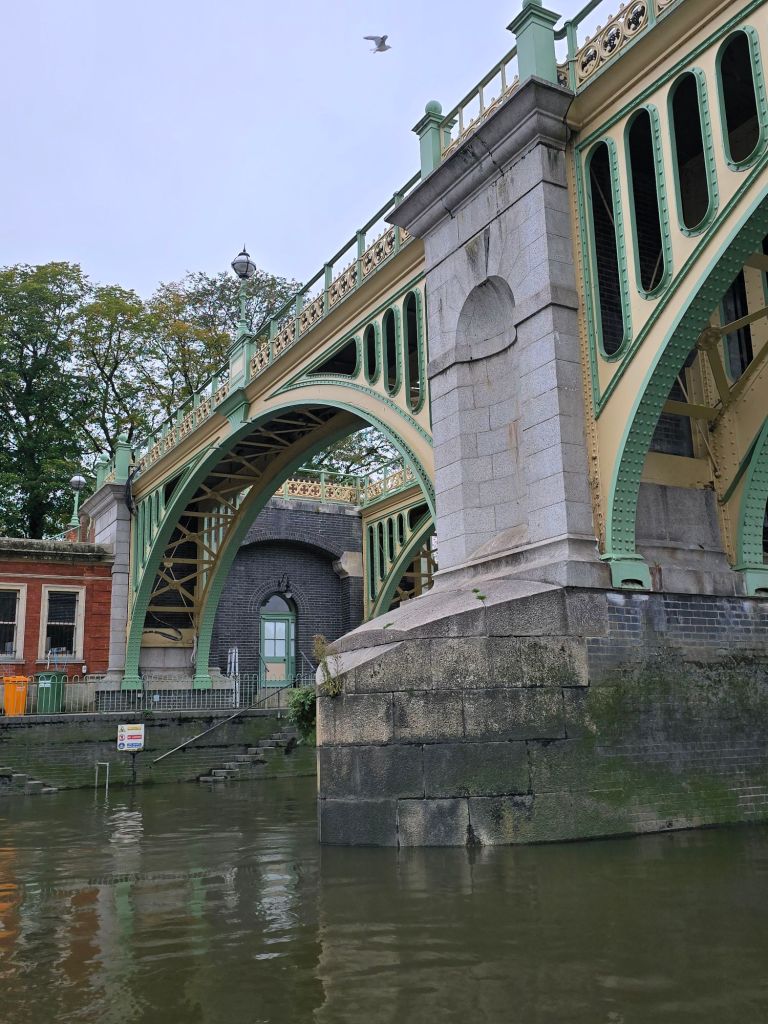
The Richmond Lock and Weir keeps the river upstream to Teddington deep enough for boats to navigate. The water level is maintained at a minimum depth of 1.72 metres above Ordnance Datum. The river is only fully tidal for four hours at a time. Two hours after high tide, the heavy sluice gates are lowered to stop the water disappearing with the ebb tide and instead artificially hold back enough water for navigation above Richmond. Normally, there is no natural low water along this stretch. The weir maintains the water at half-tide level, hence the name half-tide lock. Two hours before high tide, the gates are raised again because of the incoming flood tide. This process is repeated over and over.
Richmond draw-off – once a year
Every autumn, the Port of London Authority (PLA) pulls the plug and the river above Richmond drains. Why?
The draw-off is like a reset. The PLA lifts the sluice gates for an extended period to allow the river to return to its natural tidal state. This gives engineers time to inspect and maintain the lock, weirs and sluices, jobs they have to normally squeeze into those four-hour windows before the gates need to be operated again.
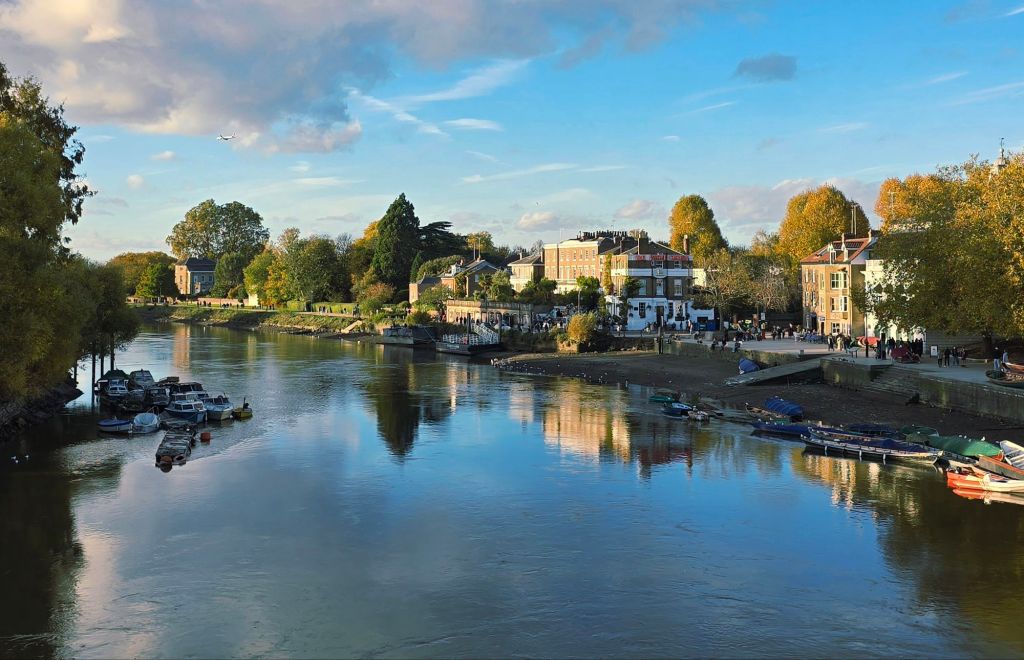
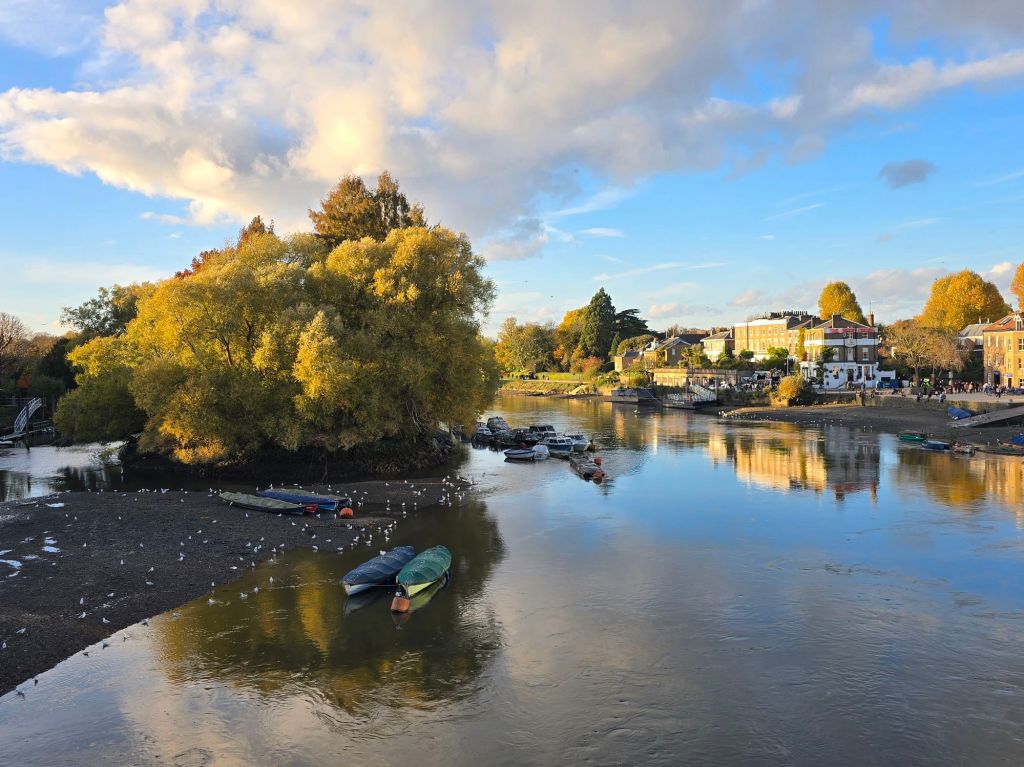
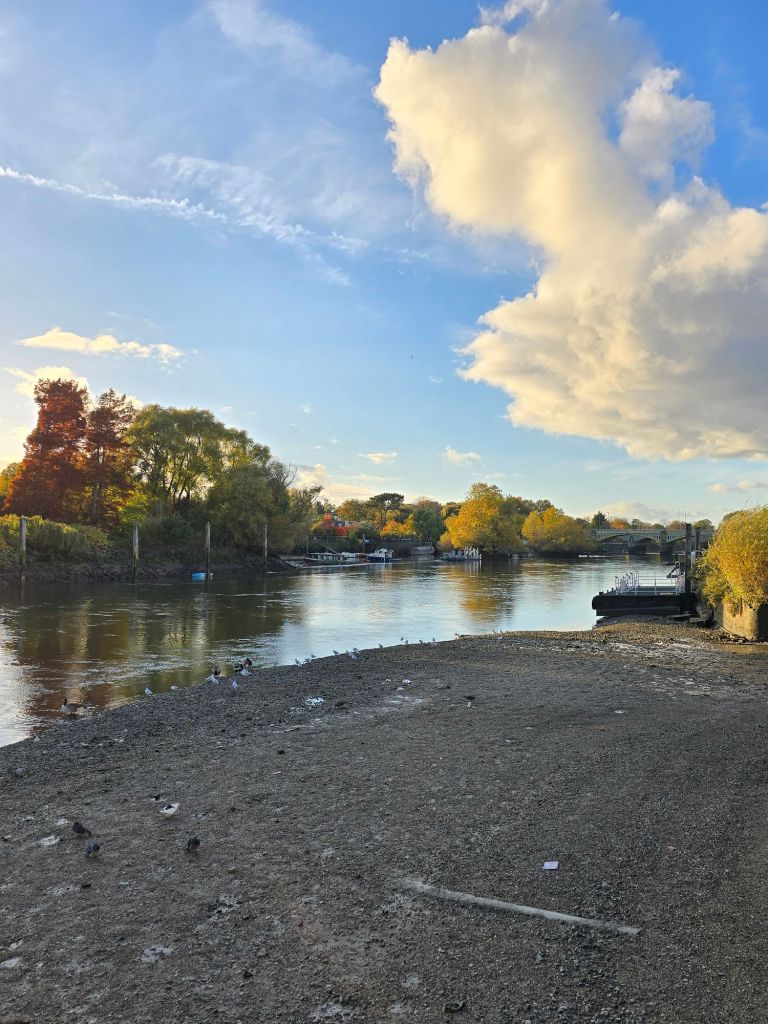
With the gates up, the river drains right down with each ebb tide. The riverbed reveals itself, boats sit on the mud and familiar views suddenly have a lot more exposed foreshore.
It’s also a chance to:
spot high spots, silt build-ups that could become navigational hazards
check moorings
run volunteer foreshore clean-ups
for mudlarks to go treasure-hunting (permit required)
This year’s draw-off is a long one: 27 October – 19 December 2025.
Why it looks especially dramatic this year
We’ve had very little rain so far in 2025, which means very low fluvial flow, the fresh water that normally feeds the Thames from upstream. With less water coming down, the draw-off drops levels even further. In the decade I’ve been paddling here, I’ve never seen it this low. The other day, at low tide, people were walking across the exposed riverbed between Eel Pie Island and Twickenham.
What the draw-off means for paddlers
That lovely half-tide comfort zone at Richmond? Gone. Instead, during the draw-off:
The river becomes fully tidal up to Teddington Lock
Low tides are very low, expect long mudflats and shallow channels
The navigable channel is narrower than usual
Some usual paddle routes and access points may not be available
So pull up those tide tables and plan your sessions extra carefully to avoid grounding.

 My SUP Stories
Leave a comment