What Every Paddler Should Know About the Thames at Richmond
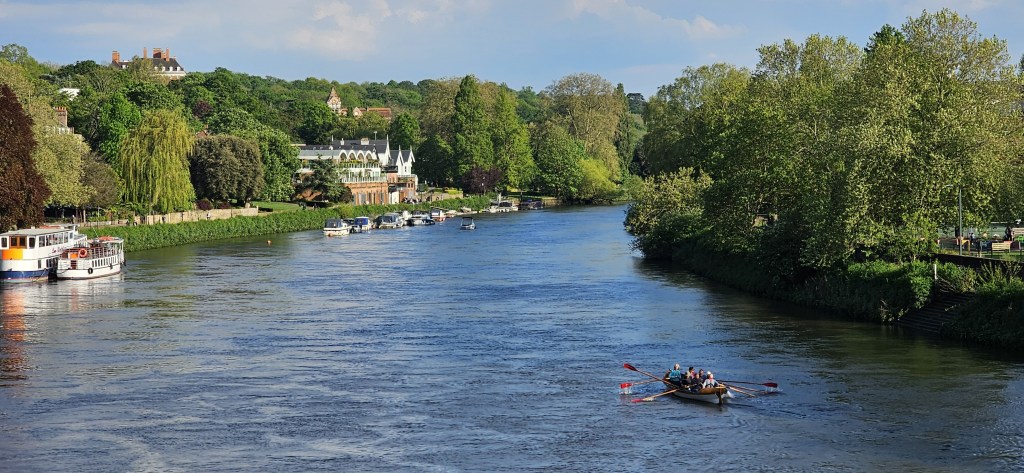
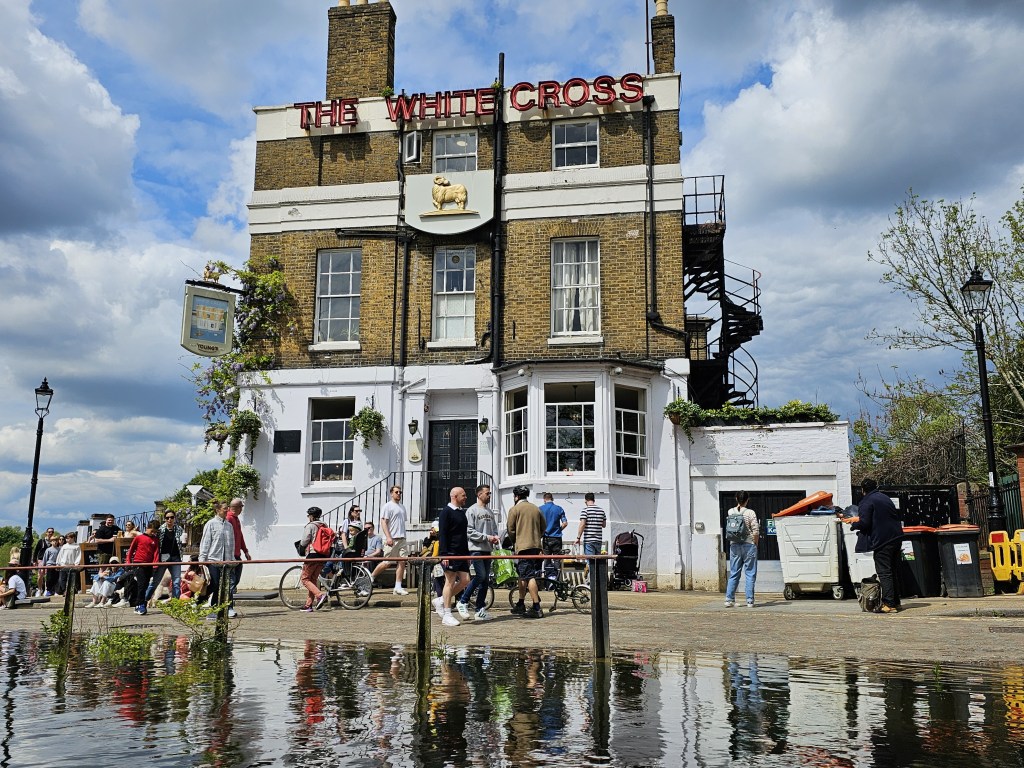
I live in Richmond and paddle the Thames year-round. On a summer’s day, the river can look like a lake. Mirror-flat and peaceful. But that calm can be misleading. Just ask the unlucky drivers who park on the riverside and return to find the Thames creeping into their cars. The river is tidal. It has its own peculiarities.
Here’s what I’ve learned over the years about paddling this beautiful stretch, beyond the standard safety steps:
Tides at Richmond
The Thames is tidal from Teddington Lock downstream. That means twice a day, the tide rolls in from the North Sea, pushing through the estuary and Central London, all the way to Teddington before turning.
The tidal cycle on the Thames is different from the coast. It’s not a neat 6-and-6 split like you expect at the seaside. On average, the incoming tide (the flood) above Putney takes about 4.5 hours to rise, while the outgoing tide (the ebb) takes around 8.5 hours to fall.
The tidal range is up to 7 metres depending on the moon phase and river conditions. The biggest tides, known as spring tides, occur around full and new moon, when the earth, moon and sun are aligned. They bring higher high tides and lower low tides. Not connected to the spring season, despite the name.
Check Tides Before You Paddle
As the proverb goes: “Time and tide wait for no man”, so use a tide app to plan your paddles.
For longer-term planning, download the Port of London Authority (PLA) Tide Tables PDF(annual). Or go fully old-school and order the booklet. Choose London Bridge as your base. Tide always turns downstream first, so adjust for Richmond:
Add 1 hour and 1 minute to high water
Add 2 hours and 50 minutes to low water
Note: the PLA times are in GMT. If it’s summer, add an hour for BST.
Tidal Window at Richmond Lock and Weir
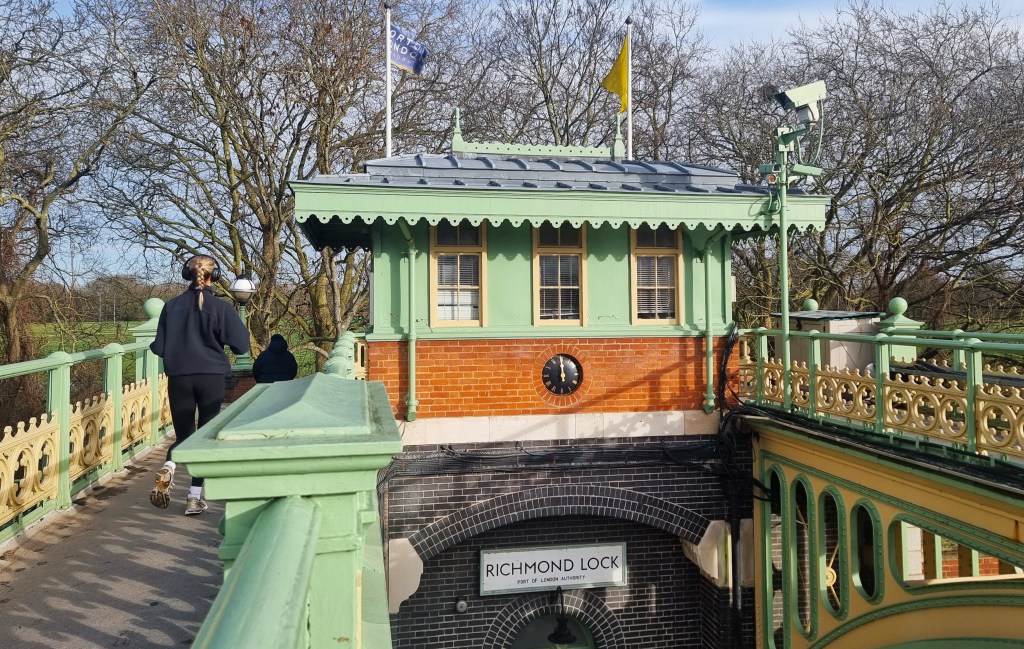
Richmond has a unique feature: a lock-and-weir system designed to maintain navigable water levels upstream. Here’s how it works for paddlers:
From 2 hours before high tide to 2 hours after: The section is fully tidal, because the weir gates are raised and the river flows naturally. All traffic can transit through the footbridge. Look for open arches, #4 is usually closed. During this period, current can be fast, especially on spring tides and high fluvial flow and may pose risks of entanglement or pinning near pontoons, piers and moorings. Time your paddle well, unless you fancy a proper workout against the tide.
For the rest of the tidal cycle: The weir gates are lowered, the barriers holding back water to maintain “half-tide” levels upstream. During this period:
Paddlers must portage at arch #1.
Boats use the lock at arch #5.
Do not paddle near the weir, from either side. While it may look calm upstream, there are undertows and hidden currents.
The Half-Tide Window: A Safer Bet
Between 2 hours after high tide and 2 hours before the next high tide, this half-tide window is usually the safest time for paddling. Less current and no need to navigate strong tidal flow.
Don’t Forget the Fluvial Flow
Tides aren’t the only force at play. The river also flows naturally downstream, more so after rain. This fluvial flow, measured in cubic metres per second (cumecs), can add significant current, particularly in high water levels in winter or after heavy rainfall. Always factor it into your plans.
To check flow rates:
Use RiverApp and set alerts for relevant spots (I’ve set mine for Kingston).
Respect the river, check the tides and flows and most importantly, enjoy your time on the Richmond Riviera. For more information about paddling on the tidal Thames, download the PLA Tideway Code or join local paddle groups.



 My SUP Stories
Leave a comment